


















Latest News & Rebuilds
Flat Tappet Break-in Procedure

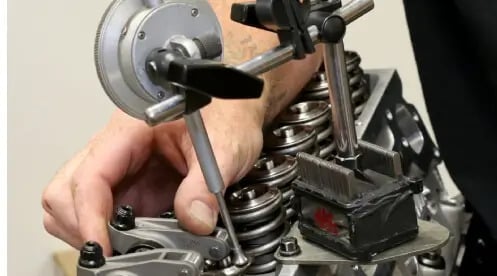
This 7 step flat tapped break in process will help you to install your brand new set of Kelford Cams.
Some examples of flat tappet engines couild include: Chevrolet Small Block V8 (Gen I), Ford 302ci / 5.0L Small Block Windsor, Chrysler B/RB and LA Engines (Big block 383ci, 440ci and Small Block 318 and 360), AMc/Jeep 4.0 Inline Straight 6, Volkswagen Air-cooled Flat 4.
Remember: it’s crucial to clean every part thoroughly before installing them into an engine. Never assume that the parts come already cleaned before packaging. Always check cam bolts, spring retainers, springs for any damage when you open the package.
Prior to Installation
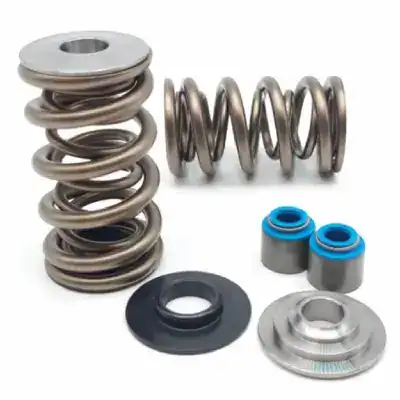
Check the compatibility of the camshaft with the remainder of the valve train components, particularly the valve springs. On high-load spring applications you will need to use lighter load springs, or alternatively remove the inner spring (for dual spring applications) just for break-in.
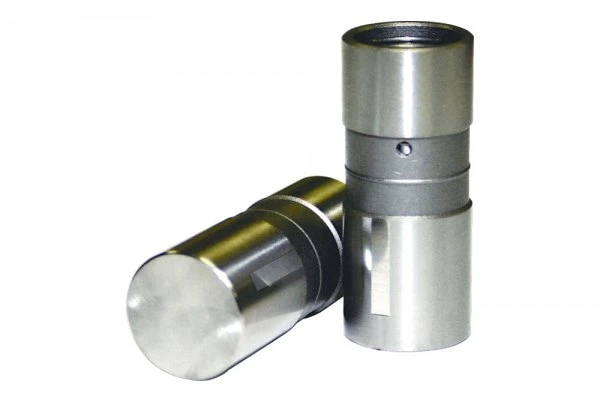
The most critical time in the life of a flat tappet camshaft is the first 20 minutes of break in, during which time the bottoms of the tappets mate-in with the cam lobes. This is true for both hydraulic and mechanical flat tappet camshafts.
Due to some country’s environmental regulations, some of today’s oils are missing (or have lower levels of) the critical ingredients needed for flat tappet camshaft break in. Therefore choose your motor oil carefully as some engine oils are not suitable.
Prior to installing the camshaft and lifters it is recommended that the crankcase be drained and filled with new, clean oil. The oil filter should also be changed at this time.
Proper flat tappet camshaft break-in starts with the cam installation and then follows on with the steps detailed in this article.
Installation Procedure
DO NOT “pump-up” hydraulic lifters before use. This can cause the lifters to hold a valve open during engine cranking, resulting in low compression. The low compression will delay engine startup and is very detrimental to proper camshaft “break-in”.
- With the supplied moly paste lube, coat the bottom of the lifters, cam lobes and distributor gear
- Set your valve lash or lifter preload. Try to minimize the number of times that you rotate the engine, as this can displace the moly paste from the lobes and lifters.
- If possible prime the oiling system. When priming, rotate the engine at least one complete revolution to ensure oil gets to all valve train components.
- Valve covers should be off so you can check that all rockers are oiling.
- Preset the ignition timing to start the engine at a fast idle. It is important that the static ignition timing is as close as possible and if the engine has a carburetor, it should be filled with fuel. The engine needs to start quickly without excessive cranking to ensure immediate lubrication to the cam lobes.
- Start the engine and immediately bring to 2,500 rpm. Timing should be adjusted, as closely as possible to reduce excessive heat or load during break-in. Get the engine running fairly smoothly and vary the engine speed from 1500-3000 RPM in a slow acceleration/deceleration cycle. During this time, be sure to check for any leaks and check out any unusual noises. If something doesn’t sound right, shut the engine off and check out the source of the noise. Upon restart, resume the high idle speed cycling. Continue the varying “break-in” speed for 20 – 30 minutes. This is necessary to provide proper lifter rotation to properly mate each lifter to its lobe. Should the engine need to be shut down for any reason, upon re-start it should be immediately brought back to 3000 rpm and the break-in continued for a total run time of 20 – 30 minutes.
- Let the engine cool, and then drain the crankcase and properly dispose of the oil and oil filter. Refill the crankcase with premium oil. At this point the initial “break in” is complete. You can drive the vehicle in your normal manner. We recommend changing the oil and filter after 1,000 kms.
Additional Information
Spring Pressures: For extended camshaft life, flat-tappet cams should not be run with more than the recommended open valve spring pressure. Racing applications will often need to run more spring pressure at the expense of reduced camshaft life. In order to “break-in” a camshaft with high open pressures, the inner springs should be removed to reduce “break-in” load. The inner springs can then be reinstalled after initial “break-in” is complete.
Lifter Rotation: Flat tappet cams (both hydraulic and mechanical) have the lobes ground on a slight taper and the lifter appears to sit offset from the lobe centerline. This will induce a rotation of the lifter on the lobe. This rotation draws oil to the mating surface between the lifter and the lobe. If it is possible to view the pushrods during “break-in”, they should be spinning as an indication that the lifter is spinning. If you don t see a pushrod spinning, immediately stop the engine and find the cause.
Never use old flat tappet lifters on a new cam.
On flat tappet cams, the lobes and lifter bottoms mate together and if the lifters are removed from the engine, they must go back on the same lobe from which they were removed. Kelford Cams recommends the use of high quality tappets to prevent premature cam or lifter wear. This is the reason that we prefer to sell you a cam and lifter kit, this way you know that you are buying a ‘matched set’ and risk of failure during break in is greatly reduced.