


















Latest News & Rebuilds
What is the Function of a Valve Guide?

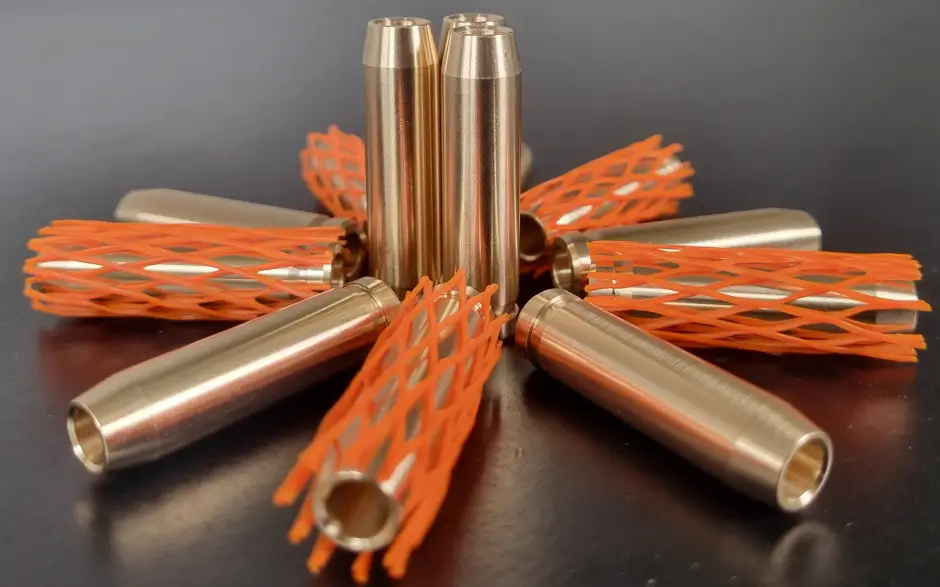
The valve guide is found in the cylinder head and, as the name suggests, the valve guide guides the valve. They primarily exist to support your engine’s valves to keep them running straight during their travel, so the valves can do their job properly. The valve guide also has some other tasks: it supports a valve stem seal and also works to dissipate heat from the valves into the cylinder head, to ultimately be cooled by the oil and coolant flowing through an engine.
Material Options
Valve guides come in a lot of different shapes, sizes, and materials. There are two main materials that we’ll talk about today: cast iron and manganese bronze. Both materials have their own benefits and are used for different reasons.
Cast Iron Valve Guides
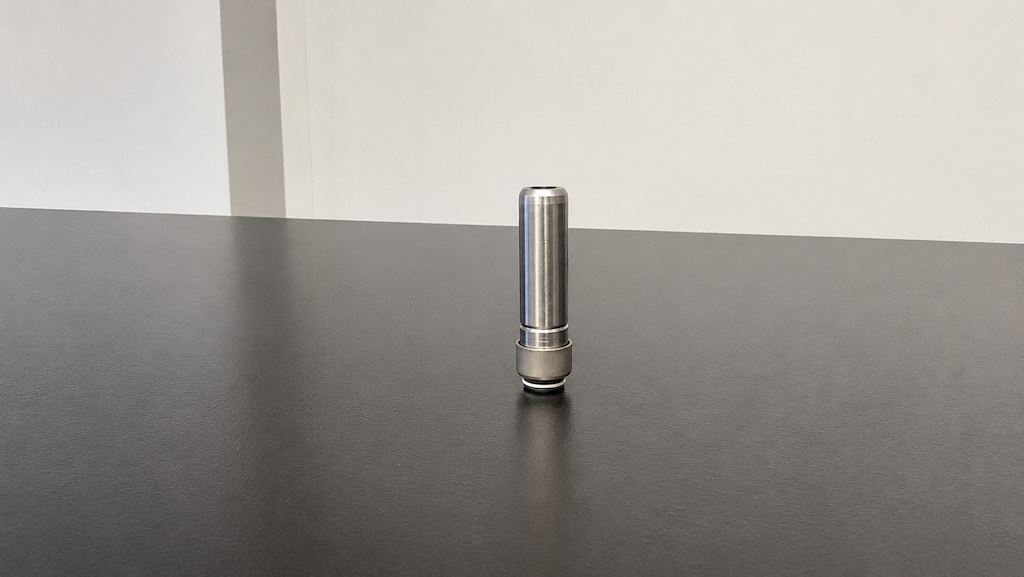
Cast Iron valve guides are commonly used by OEM automakers because it’s a very durable, cheap and easy material to form. Cast iron has some natural self-healing properties and it’s porous, so provides lots of good nooks and crannies for oil to embed into.
Manganese Bronze Valve Guides
Alloy bronze or manganese bronze, the material that Kelford uses, is a great aftermarket performance option for use in race engines. Bronze is a superior material for dissipating heat and has better wear characteristics than cast iron. View Kelford Cams Valve Guides Here

Why are Bronze Valve Guides Better?
Cast iron guides are great for OEM street engines but can become damaged or even crack and fail when used in high horsepower performance or racing engines. Kelford Cams has developed a series of high-performance valve guides for popular engines including Ford, Toyota, Nissan, Toyota, Subaru, Mitsubishi & Honda. Excellent for setting up your cylinder heads to make reliable power.
Manganese bronze guides offer many benefits over cast iron; higher strength, more load capacity, low friction, improved heat transfer rate and good corrosion resistance.
Manganese bronze is compatible with all valve stem materials. If you’re upgrading your valves and they are stainless steel, manganese bronze guides are required. Cast iron guides are incompatible with stainless steel, these parts can gall/stick and seize.
The intake and exhaust guides are shaped differently, to allow for improved air flow on the intake side and to withstand the high temperatures of exhaust flow.
How are Valve Guides Installed?
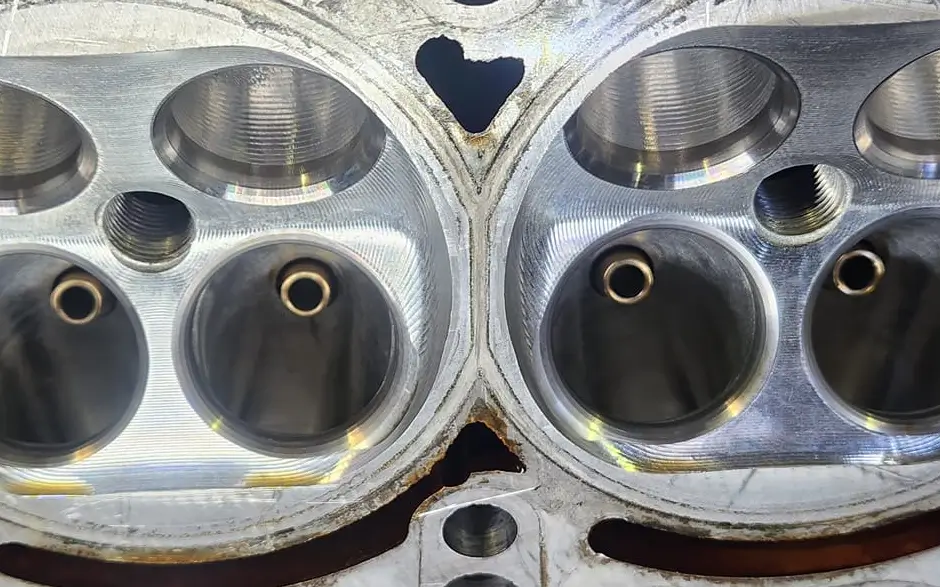
Valve guides need to be pressed into the cylinder head so they don’t move during operation. The head should be heated to around 100 degrees Celsius, and the guide should be cold. This helps by increasing the size difference between the two parts and allows for easier fitting.
Because of this size difference, the internal diameter of the valve guide can be distorted when fitted. So, we recommend finishing the ID of the guide to suit the valve that you are using. Best practice is to use a hone, but a ream will achieve an acceptable finish also.
What is a Stopper Valve Guide?
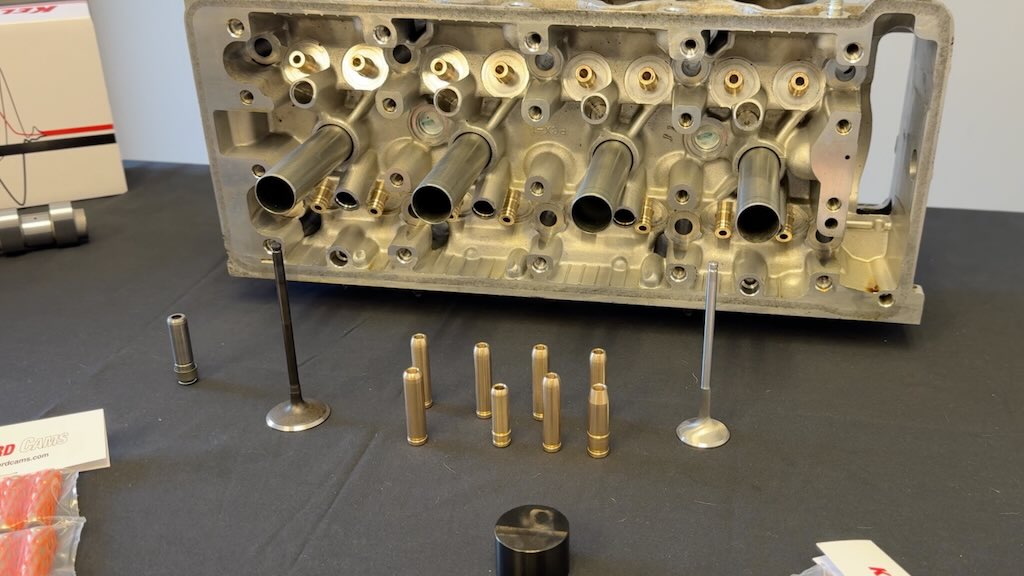
Kelford Cams offers a stopper valve guide option. This stopper incorporates a section of the valve guide that has a flange. When this flange meets the guide boss, it stops. The name “stopper” has come from the function of installation.
You can see the difference between the two valve guides here:
So, Does Valve Guide Choice Matter?
Yes, choosing the correct valve guide and understanding the installation process is important. Kelford Cams uses state-of-the-art turning centres to create precision-machined valve guides to the highest tolerance available.
Brows Kelford Valve Guides
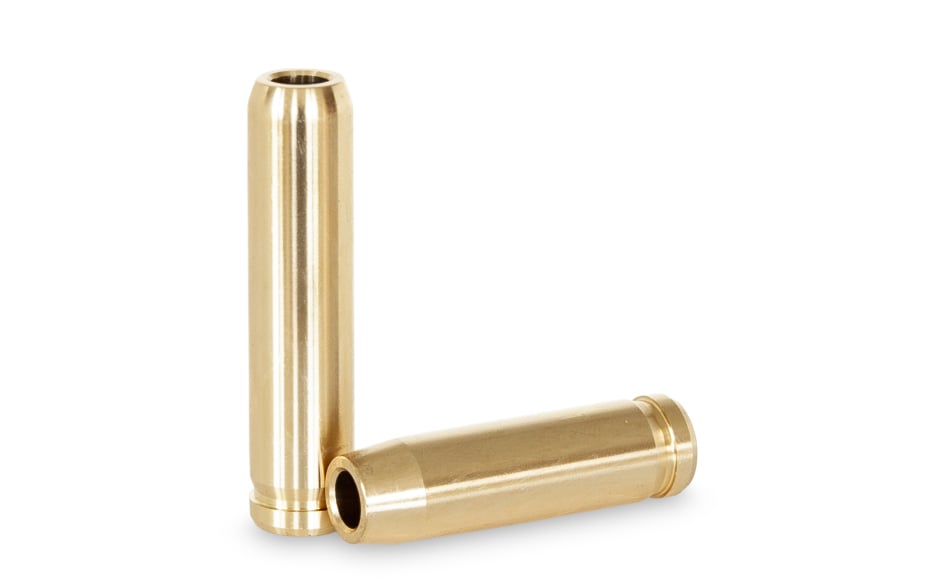
VG202-IN-12 | 1JZ / 2JZ Intake Valve Guides
Intake valve guide for Toyota 1JZ-GTE and 2JZ-GTE. OD: 11.05mm. ID: 5.97mm. Set of 12. High quality precision machined
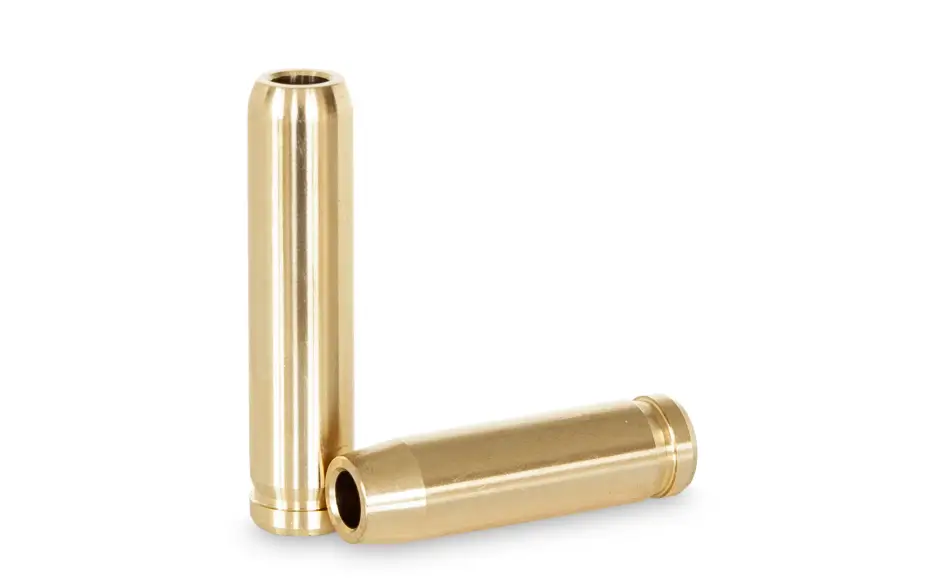
VG63E-8 | 4G63 Exhaust Valve Guides
Exhaust valve guide for Mitsubishi 4G63 DOHC. OD: 12.06mm. ID: 6.55mm. Set of 8. High quality precision machined.
VG237-EX-16 | VK56DE Exhaust Guides
Exhaust valve guide for Nissan VK56DE. OD: 10.02mm. ID: 5.95mm. Set of 16. High quality precision machined. Made from our own proprietary Manganese Bronze. All guides need honing after fitment.
VG193-IN-8 | 4AGE 16V Intake Valve Guides
4AGE 16V Intake valve guide set of 8. OD: 11.04mm. ID: 5.97mm.High quality precision machined. Made from our own proprietary Manganese Bronze. All guides need honing after fitment.
VG237-IN-8 | SR20VE Intake Valve Guide
Intake valve guide for Nissan SR20VE. OD: 10.02mm. ID: 5.95mm. Set of 8. High quality precision machined. Made from our own proprietary Manganese Bronze. All guides need honing after fitment.
VG63I-8 | 4G63 Intake Valve Guides
Intake valve guide for Mitsubishi 4G63 DOHC. OD: 12.06mm. ID: 6.55mm. Set of 8. Made from our own proprietary Manganese Bronze.
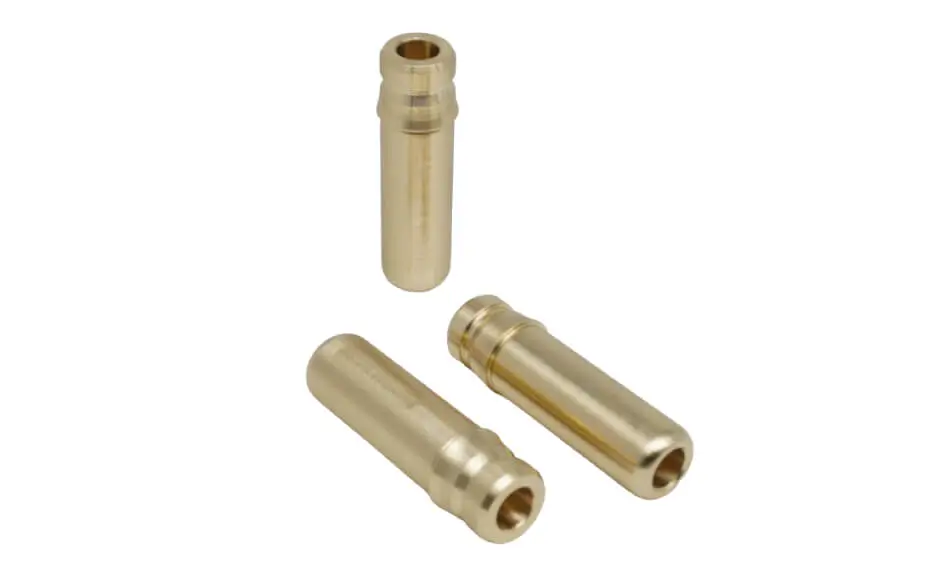
VG270-12 | Rotax 900ACE DOHC Valve Guides
Guide design features a stopper for ease of installation. OD: 9.055mm. ID: 4.965mm. 33.0mm length. Set of 12.
VG108-EX-16 | 1UZ VVTi Exhaust Guides
Exhaust valve guide for Toyota 1UZ-FE VVTi. OD: 10.35mm. ID: 5.45mm. Set of 16. High quality precision machined. Made from our own proprietary Manganese Bronze. All guides need honing after fitment.
VG207-IN-16 | 1UZ Intake Valve Guides
Intake valve guide for Toyota 1UZ-FE. OD: 11.03mm. ID: 5.95mm. Set of 16. High quality precision machined. Made from our own proprietary Manganese Bronze. All guides need honing after fitment.
VG214-IN-8 | 4B11T Intake Valve Guides
Intake - set of 8. OD: 11.05mm. ID: 5.45mm. High quality precision machined. Made from our own proprietary Manganese Bronze. All guides need honing after fitment.
VG231-EX-12 | VR38/ VQ35 Exhaust Guides
Valve Guide - Nissan VR38 & VQ35 Exhaust 10.03mm O/D 5.95mm I/D
VG180-IN-8 | 2RZ-3RZ Intake Valve Guide
Valve Guide – Toyota 3RZ-FE Intake 11.05mm OD 5.98mm ID.