













How to Prevent Camshaft Damage
AVOID COMMON MISTAKES with
Performance Camshaft
Replacement
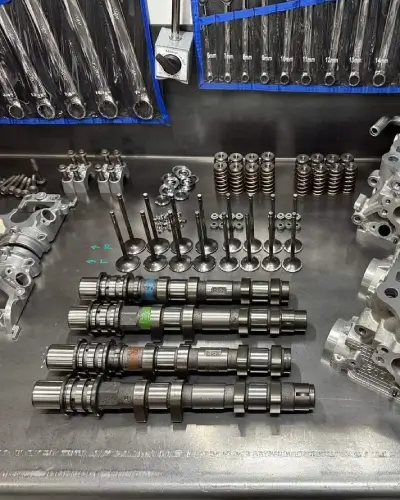
Remember, it's crucial to clean every part thoroughly before installing it in an engine. Never assume that the parts come already cleaned before packaging. Always check cam bolts, spring retainers, springs for any damage & wear and tear
Thomas
Research & Development
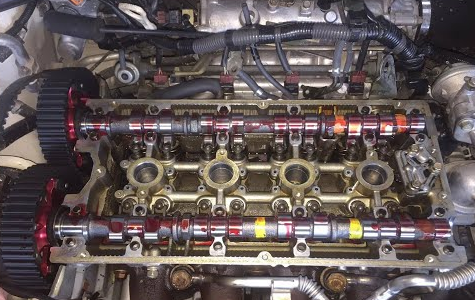
The camshaft usually isn't the culprit for failure. Rather, the so-called camshaft failure tends to stem from one of these four issues.
FOLLOW MANUFACTURER SPECIFICATIONS TO AVOID
CAMSHAFT DAMAGE
Addressing common causes of camshaft damage / failure and implementing best practices in lubrication, component selection, installation, and maintenance minimize the risk of camshaft failures and ensure long-term engine reliability and performance.
- Insufficient Lubrication: Lubricating camshaft lobes and lifters is vital to minimize friction and wear. Use moly paste and assembly lube as instructed. Ensure sufficient lubrication during assembly and startup to avoid catastrophic failures due to insufficient lubrication.
- Changing Oil Quality: Use high-quality performance oils to maintain your camshaft's health, especially in high-performance applications as modern engine oil formulations can affect camshaft performance due to their reduced zinc additives.
- Metallurgy: Choose the right camshaft material for your engine's level of stress, whether it's chill cast for flat tappet or steel for high stress roller. The longevity of your camshaft depends on understanding different material characteristics and taking into account lubrication and friction. Selecting the most suitable material is crucial for optimal engine performance.
- Improper Break-In: Follow the manufacturer-supplied break-in instructions to ensure proper camshaft seating and reduce the risk of premature wear. Not following this step can compromise camshaft performance and longevity.
Replace old components with new ones to ensure proper function and longevity of the valve train system. Reusing worn parts can cause premature failure due to mismatched wear patterns.
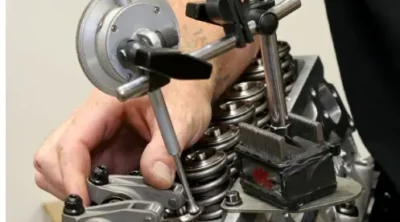
- Mechanical Interferences: Improper clearance can cause collisions resulting in excessive forces and damaged parts. Maintain adequate clearance to prevent wear and breakage
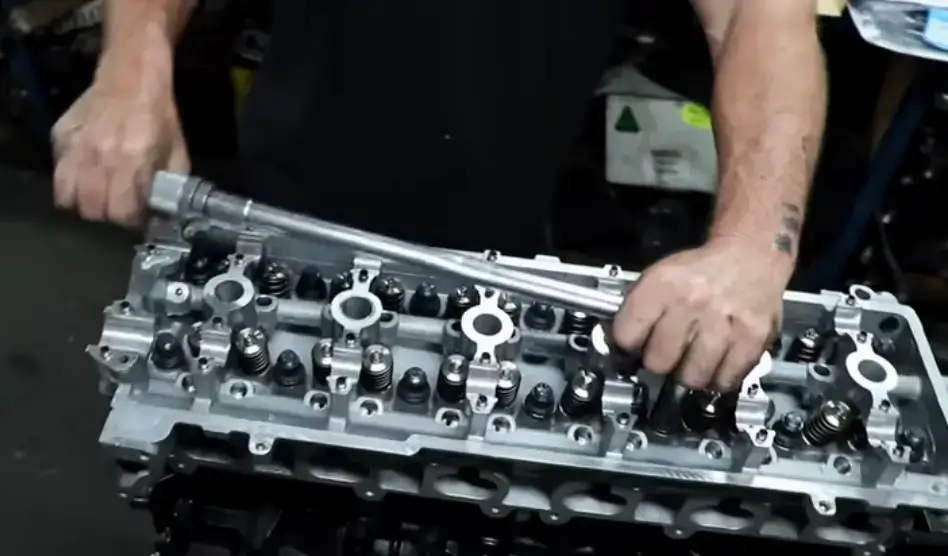
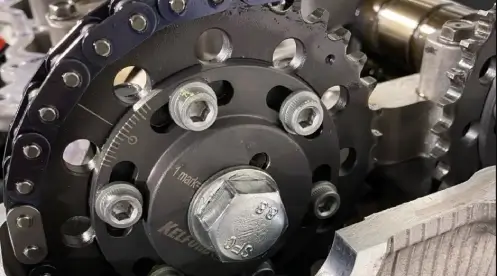
- Inferior Hardware/Hardware Not Torqued to Spec: Use high-quality hardware and torque components to manufacturer's specifications to prevent hardware failures. Avoid using impact guns and ensure proper alignment during assembly to further reduce failure risks.